

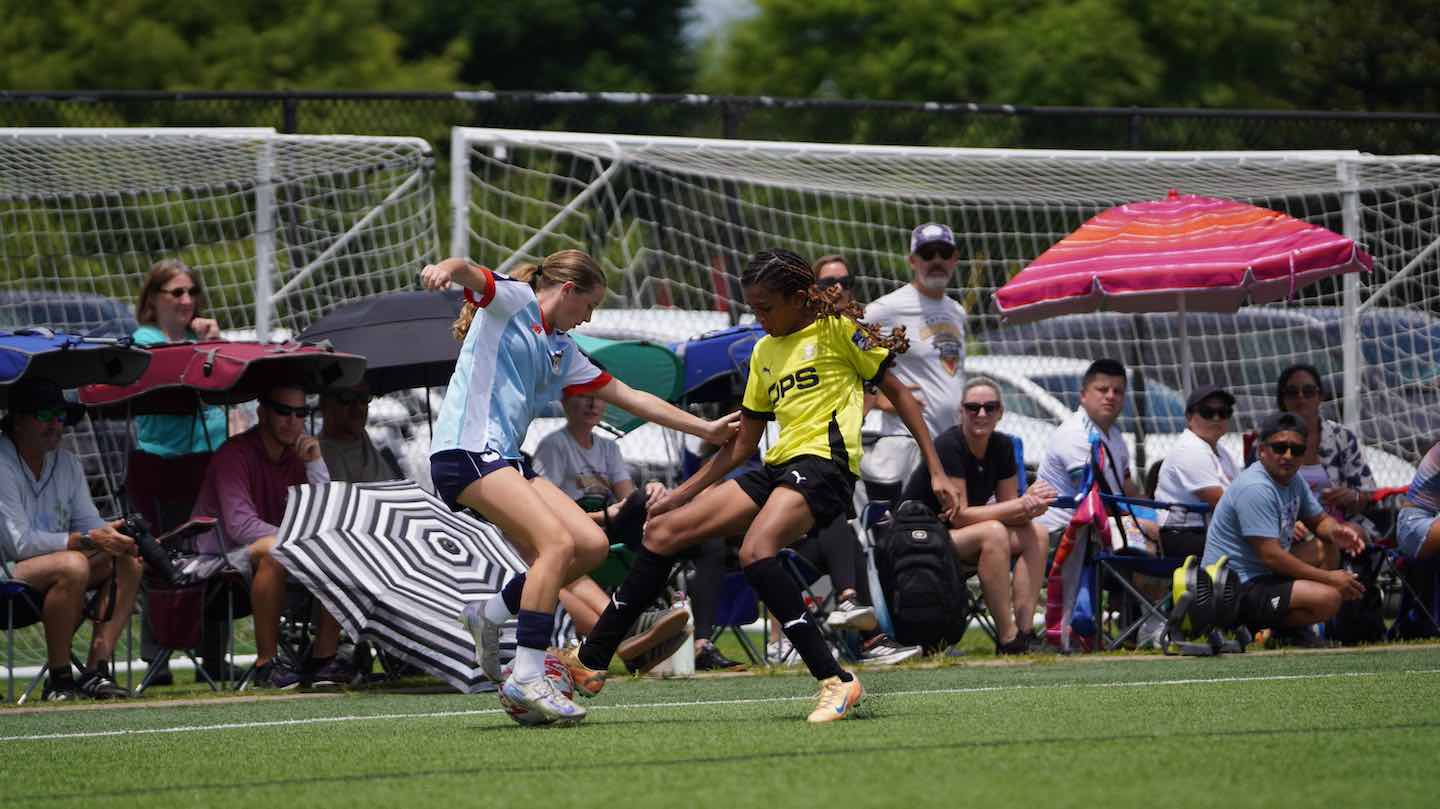
I spend a great deal of my weekends watching youth sports. With three young children involved in soccer, basketball, baseball and lacrosse, I have the opportunity to observe a wide variety of games and sporting environments.
Because I know very little about some of these sports, I often sit quietly, simply watching—not just the players and coaches, but the parents.
Over the years, one observation has become impossible to ignore.
Far too often, winning becomes the priority, while learning slowly slips into the background.
Children as young as five or six are competing in environments where adults become emotionally invested in results rather than development. Success is measured by the scoreline instead of the progress a child makes, the confidence they build or the enjoyment they experience.
Perhaps the most concerning behavior I witness is the constant stream of instructions shouted from the sidelines.
“Pass!”
“Shoot!”
“Don’t dribble!”
“Get rid of it!”
Imagine being eight years old, trying to scan the field, recognize teammates, avoid defenders and make a decision, all while multiple adults are telling you what to do.
Decision-making is a skill. Like every other skill, it improves only when children are allowed to think for themselves.
When adults constantly solve the game for young players, they unintentionally slow down the very learning they hope to accelerate.
The best sports parents understand that their role is not to coach from the sideline.
Their role is to provide emotional support before, during and after competition.
They celebrate effort.
They applaud courage.
They encourage resilience.
They help their children love the game.
Years from now, very few children will remember the score of an Under-10 league game.
Almost all of them, however, will remember how the adults around them made them feel.
With that thought in mind, I created the following reflection tool. Rather than asking whether you are a “good” or “bad” sports parent, it simply encourages honest reflection.
None of us are perfect.
The goal is simply to become a little better for the children who love to play.
(Click here to rate yourself as a sports parent!)