
Signing your kid up for soccer is easy. Figuring out what to buy before the first practice is harder. Do they need turf shoes or cleats? What size ball? Do shin guards need ankle protection?
This guide covers the essentials, what to buy at each age, and where parents tend to overspend. Most kids need less than the sporting goods store suggests.
The Short Version: What Every Young Player Needs
Everything else, like goals, cones, and training aids, is a bonus that helps your kid improve faster at home.
Soccer Cleats
Cleats are the most important purchase and the one parents most often get wrong.
Which type do you need?
- Firm ground (FG): The default for natural grass fields. If you’re buying one pair, this is it.
- Artificial grass (AG): Built for turf. Many leagues play on turf now, so check where your child will play.
- Multi-ground (MG): Works on both grass and turf, which makes it the safest pick for beginners.
- Turf shoes (TF): Flat rubber-nubbed soles for hard or turf surfaces and indoor practice.
Fit tips:
- Leave about a thumb’s width of space at the toe.
- Kids grow fast, so don’t buy a full size up. Too much room causes blisters and tripping.
- For ages 4-7, lightweight synthetic cleats are plenty. Leather and premium models are wasted on growing feet.
Shin Guards
Almost every league requires them, and they protect against the most common youth soccer injury, bruised or fractured shins.
Two main styles:
Slip-in guards: A slim guard held in place by a sock or sleeve. Best for older, more experienced players.
Guards with ankle protection: A sleeve or padding that stays put. Best for younger kids who fidget and let the guard slide down.
Sizing by height (general guide):
| Player height | Typical guard size |
|---|---|
| Under 4’0″ | XS |
| 4’0″-4’6″ | S |
| 4’6″-5’0″ | M |
| 5’0″-5’6″ | L |
Soccer Ball: What Size Does Your Child Need?
This is the most-searched question in youth soccer, and it’s easy to answer:
| Age | Ball Size |
|---|---|
| Under 8 (U8 and below) | Size 3 |
| Ages 8-12 (U9-U12) | Size 4 |
| Ages 13+ (U13 and up) | Size 5 |
A ball that’s too big hurts a young player’s touch and technique, so sizing matters. Buy a durable training ball for practice at home. A $15 ball is plenty, and the kid who kicks it against the garage door every day will wear it out fast.
Gear Bag and Water Bottle
A dedicated soccer bag keeps muddy cleats away from everything else and helps kids take responsibility for their own gear. Look for a ventilated shoe compartment and a ball holder.
A big insulated water bottle matters more than parents think. Kids who don’t drink during practice get tired and cranky fast.
Training Gear That Actually Helps
The best youth players aren’t made at team practice, they’re made in the backyard. These are worth the money:
- Agility cones and training discs: Cheap and endlessly useful for dribbling drills.
- Pop-up goals: Turn any yard into a mini field. Great for shooting practice.
- Rebounder or kickback nets: Let kids practice passing and first touch alone. A game changer for kids without a practice partner.
- Solo kick trainers (ball on a cord): Great for ages 5-9 working on foot skills.
- Agility ladders: Build footwork and coordination.
Goalkeeper Gear (If Your Child Wants to Play Goalie)
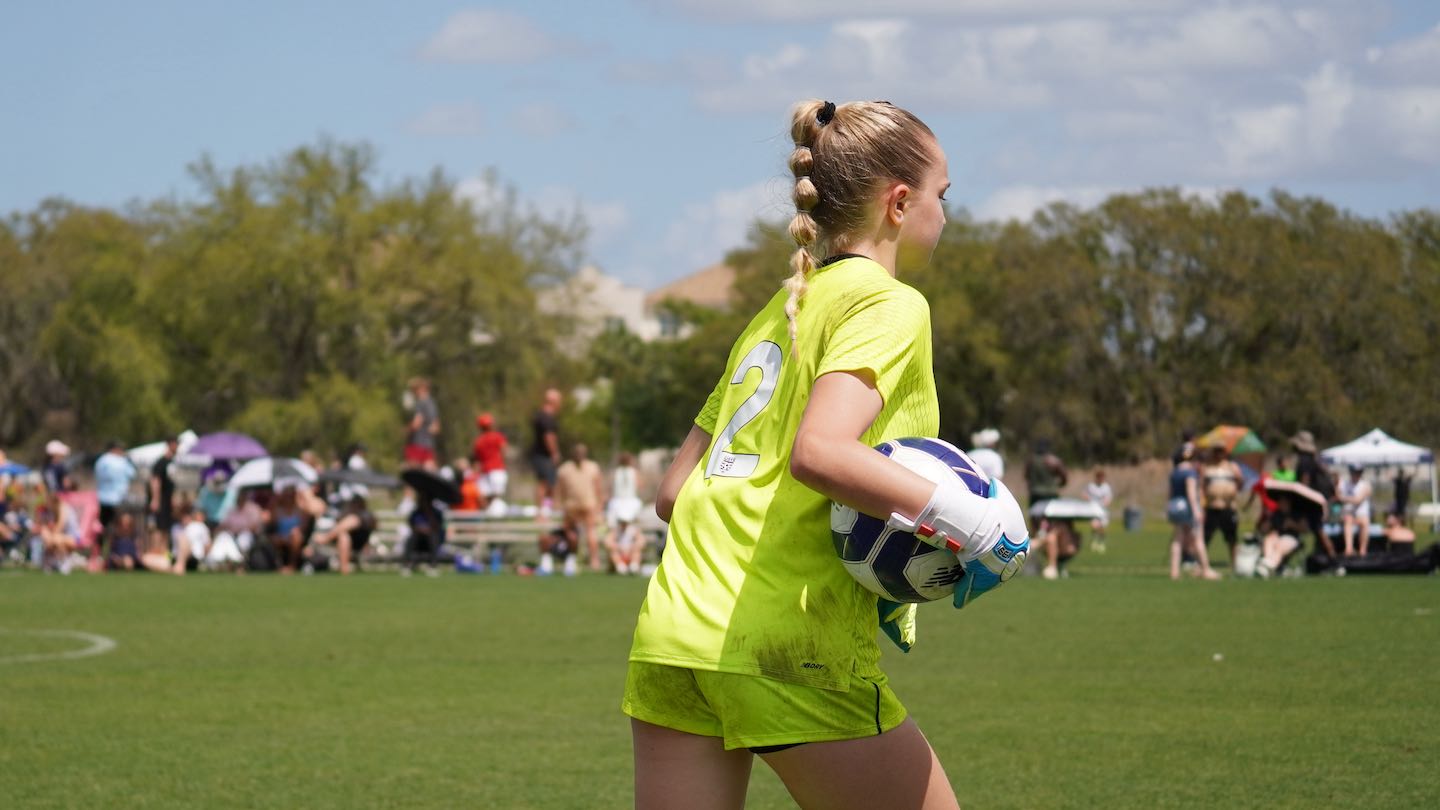
Goalkeepers need extra equipment: goalkeeper gloves (with finger protection once they’re older), a padded goalie jersey, and optionally padded pants for younger keepers who dive on hard ground.
Soccer Gifts for Kids (Great for Birthdays and Holidays)
Not sure what to buy the young player in your life? These are reliable crowd-pleasers:
- A personalized or team-branded soccer ball
- A new pair of cleats (check the size first)
- A pop-up goal for the backyard
- A soccer-themed duffel bag
- A skills training book or beginner coaching DVD
What You Can Skip (Save Your Money)
- Premium pro-model cleats for kids under 10. They outgrow them in months.
- Expensive match balls. A durable training ball is better for everyday use.
- Too many branded accessories. Plain socks and a basic bag work just fine.
Frequently Asked Questions
What equipment does a 5-year-old need for soccer?
Cleats (or sneakers if the league allows), shin guards, a Size 3 ball, and socks. That’s it.
Do kids need cleats for soccer?
For recreational leagues at young ages, many kids start in sneakers, but cleats give much better traction, especially on wet grass. Most leagues expect cleats by age 7-8.
How often do kids outgrow cleats?
Growing kids often need a new pair every 6-12 months. Consider buying mid-range, not premium.
Are shin guards required?
Almost all youth leagues require them for both practices and games.
Final Thoughts
Starting out in youth soccer doesn’t require a huge investment. A good pair of cleats, shin guards, and a properly sized ball will take your child through their first seasons. From there, a few training tools at home make the biggest difference in skill development.
Disclosure: As an Amazon Associate, SoccerWire may earn from qualifying purchases. This article contains affiliate links, which means we may earn a small commission at no extra cost to you.